Hitotsubashi Josui Hall "Hashihantei"
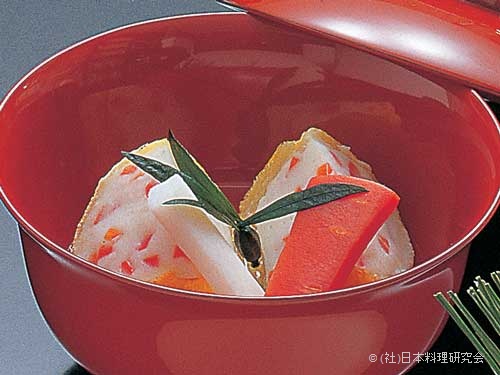
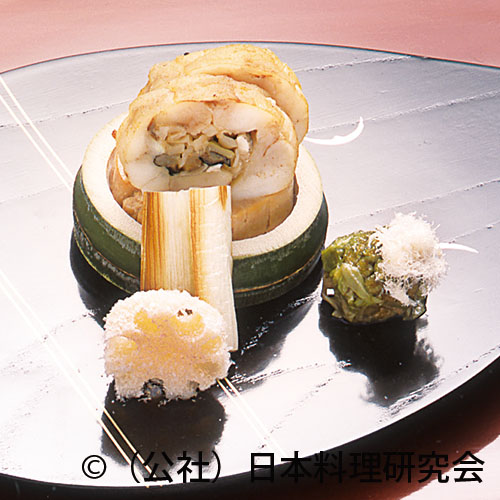
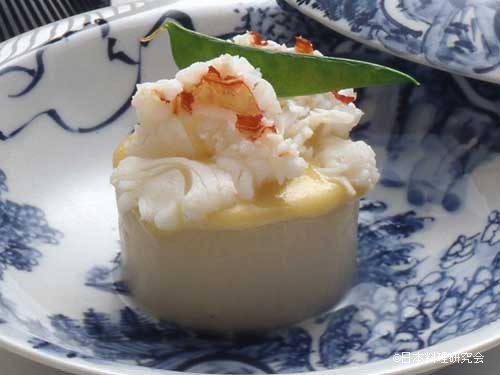
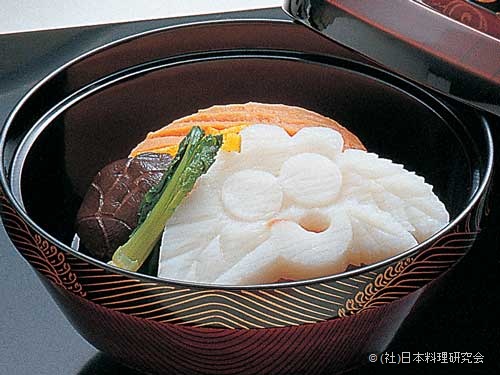
Yuzu steamed fish cake
The yuzu used in the yuzu hanpen is cultivated rather than wild, so it has little harsh bitterness; I simply let it sit soaking in water for about a…
熱田浩志

Hitotsubashi Josui Hall "Hashihantei"
The yuzu used in the yuzu hanpen is cultivated rather than wild, so it has little harsh bitterness; I simply let it sit soaking in water for about a…

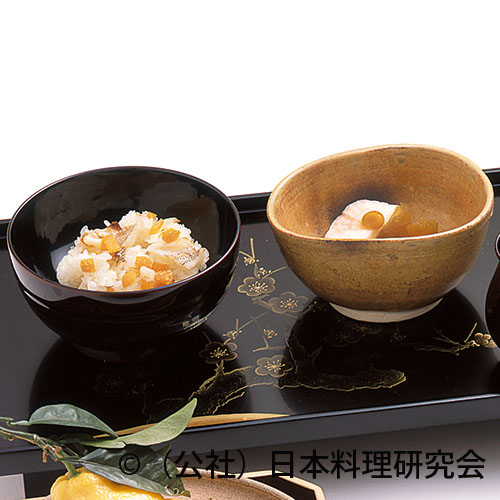
Hitotsubashi Josui Hall "Hashihantei"
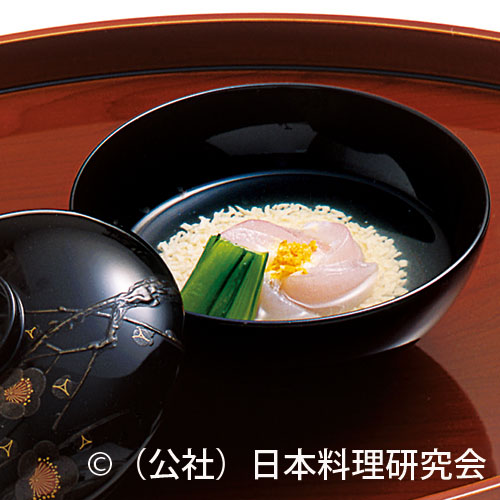
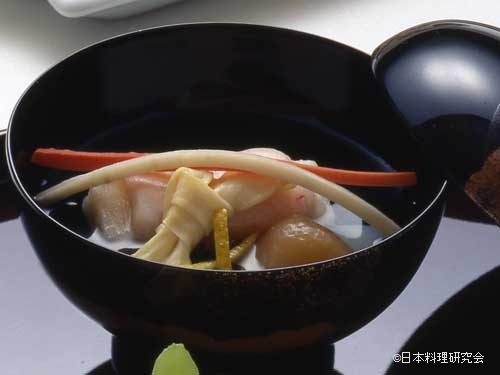
For the clear-soup course, I made three kinds in the Kanto style using hanpen (steamed fish cake). The difference between hanpen and shinjo, as I was…

Hitotsubashi Josui Hall "Hashihantei"
The stock used as a base for the rice — written with a character usually read 'tane' but read 'kusa' here — is made by roasting the bones left over…

Hitotsubashi Josui Hall "Hashihantei"
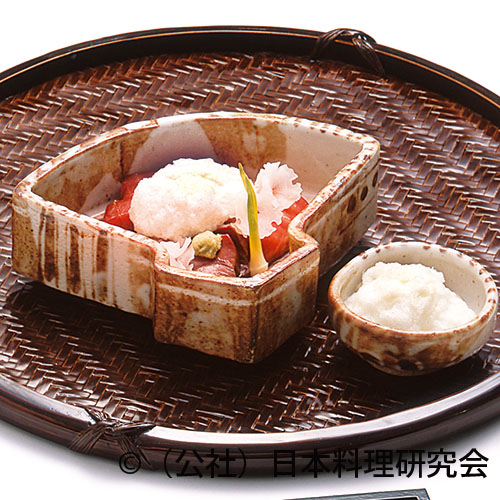
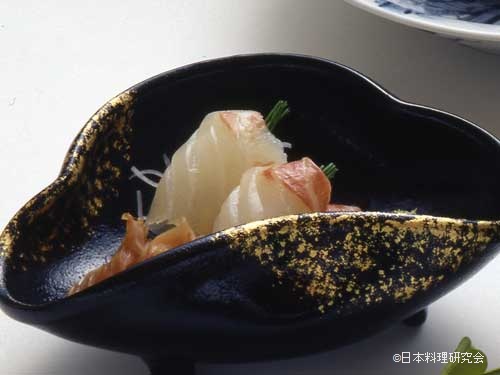
This is the sashimi course. Tuna and yellowtail are served in a snow-style namasu, with plenty of grated daikon. The tuna is cut nagate-zukuri style…

Hitotsubashi Josui Hall "Hashihantei"
This is the snowmelt-style soup course. I am often asked the difference between two bases: shinjo, a fish-paste dumpling, and hanpen, a steamed fish…

Hitotsubashi Josui Hall "Hashihantei"
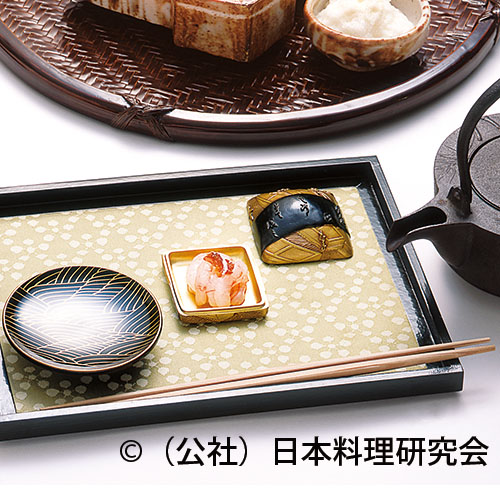
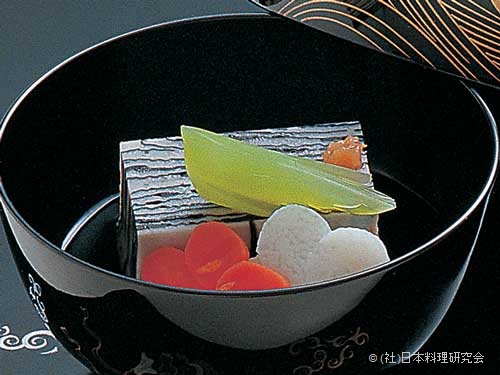
This is the tōshi-zakana course. The irizake, a traditional plum-and-sake seasoning, used for the Shōnai-style pickled red shrimp is made by slowly…

Hitotsubashi Josui Hall "Hashihantei"
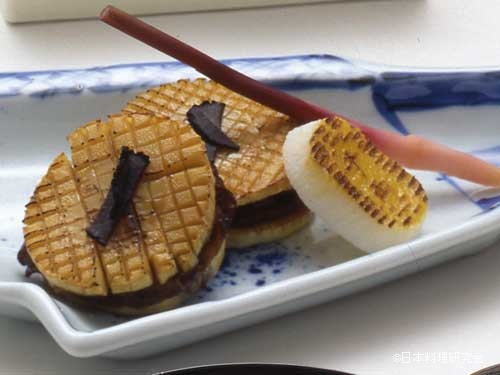
Now to the grilled course. Monkfish dobu-jiru yaki (a rustic monkfish stew, here finished on the grill) is a local dish from Ōtsu, Kita-Ibaraki City…

Hitotsubashi Josui Hall "Hashihantei"

Hitotsubashi Josui Hall "Hashihantei"

Hitotsubashi Josui Hall "Hashihantei"

Hitotsubashi Josui Hall "Hashihantei"
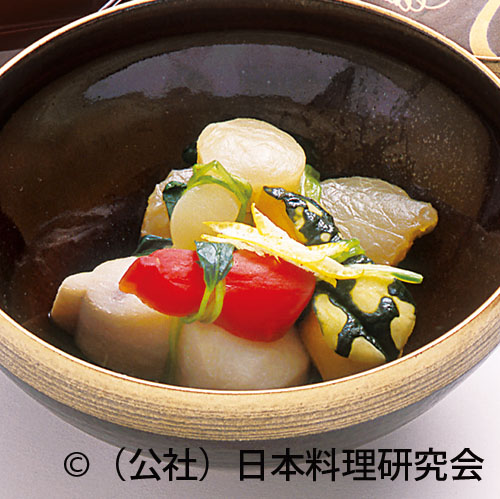
This is the simmered course: gourd-shaped vegetables, sweetly simmered. Each vegetable is simmered separately in its own pot — daikon with…
Showing 13 of 37