Kaiseki Kameyama
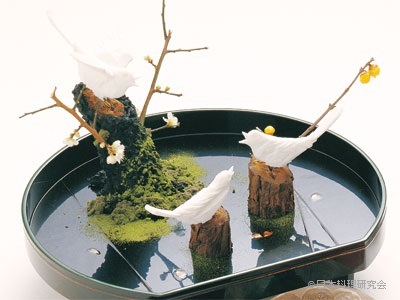
An Assortment of Sake Accompaniments
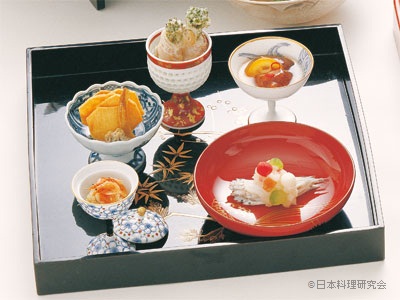
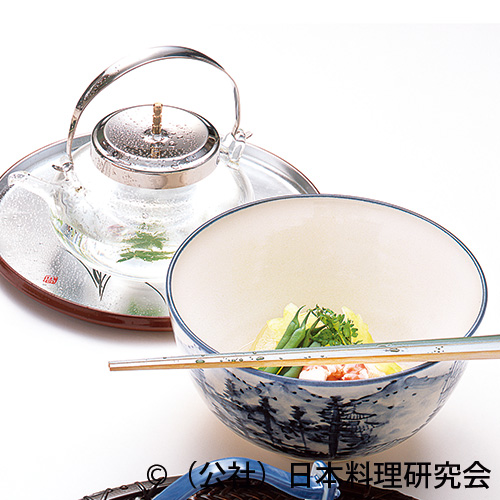
Among the assortment of sake accompaniments, the burdock shaved to resemble soba noodles has such a good texture that guests often ask for a second…
亀山佳幸

Kaiseki Kameyama
Among the assortment of sake accompaniments, the burdock shaved to resemble soba noodles has such a good texture that guests often ask for a second…

Kaiseki Kameyama
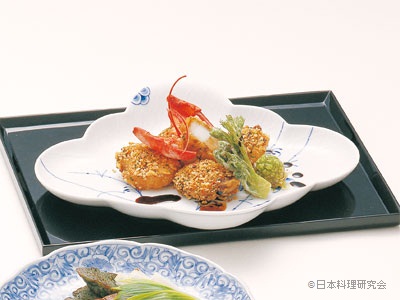
For the fried course, the crisp-fried dish uses spiny lobster since this is for an exhibition, but what I'd really recommend is firefly squid…

Kaiseki Kameyama
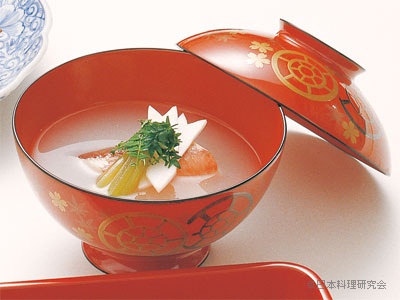
The wanmori course is cornetfish in a clear seawater-style broth. We liken the shape of the cornetfish to a hamaya, the ceremonial arrow used to ward…

Kaiseki Kameyama
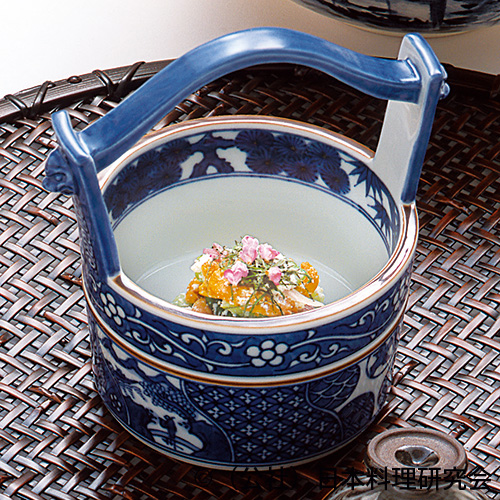
For the shiro-zu-ae: I dry the white melon by scoring and drying it to add texture, but wind-drying or a dehydrating sheet works just as well…

Kaiseki Kameyama
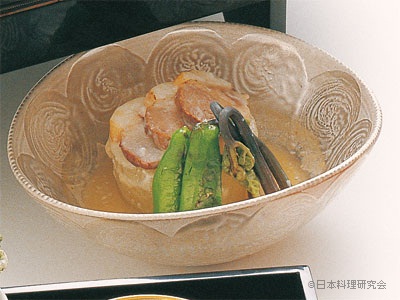
For the simmered course, shishi daikon is normally made as a sweet-and-savory simmered dish of wild boar and daikon, but in the Chichibu region it…

Kaiseki Kameyama
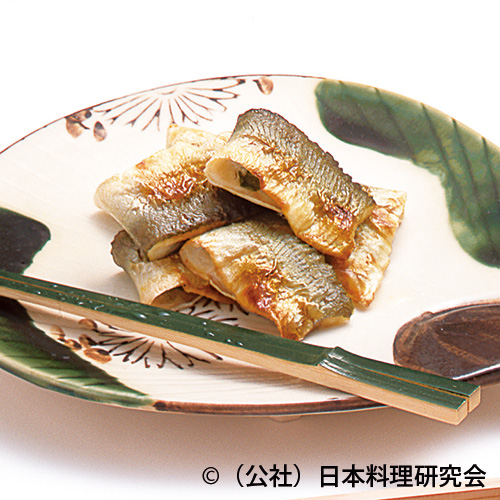
This is wind-dried ayu grilled with tade (water pepper) sandwiched inside, but although ayu is said to taste best simply salt-grilled, by the time…

Kaiseki Kameyama
The azukebachi — a shared simmered course — is an assortment of ingredients, each simmered separately and served together. In June and July I often…

Kaiseki Kameyama
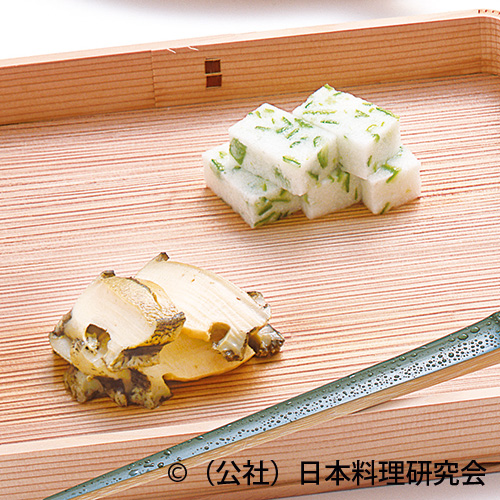
The tray course is steamed shellfish. "Steamed shellfish" here usually means abalone, and since abalone liver is delicious too, I press the liver…

Kaiseki Kameyama
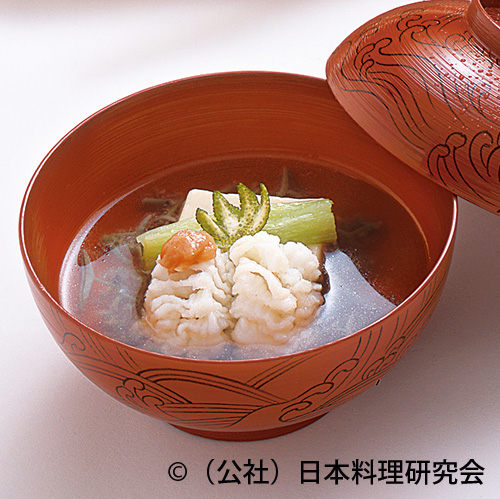
This is the simmered-soup course: hamo dusted with kuzu. I coat the pike conger eel thinly with kuzu starch and cook it through in kombu-infused hot…

Kaiseki Kameyama
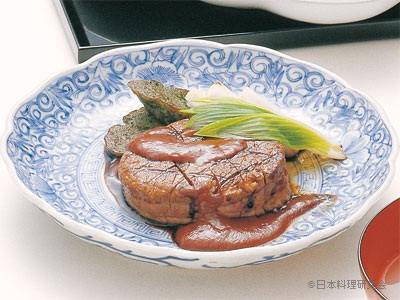
For the grilled course, the fond de veau is made by searing veal bones and trim scraps, then simmering them from cold water for about 10 hours to…