Omotesando Japanese Cuisine Keyaki-tei
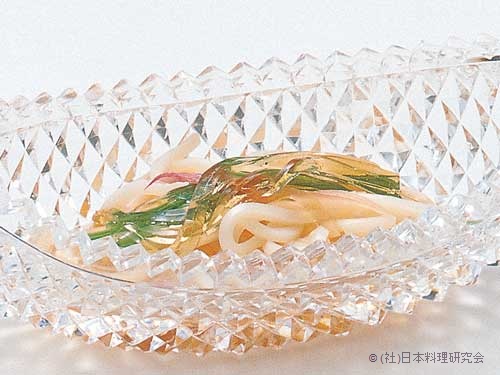
Clear-stream cold wheat noodles
The hasami (literally 'in-between') is a word I coined myself; it carries a meaning similar to a palate-cleansing bite or a between-course rest for…
Omotesando Japanese Cuisine Keyaki-tei
The hasami (literally 'in-between') is a word I coined myself; it carries a meaning similar to a palate-cleansing bite or a between-course rest for…
Omotesando Japanese Cuisine Keyaki-tei
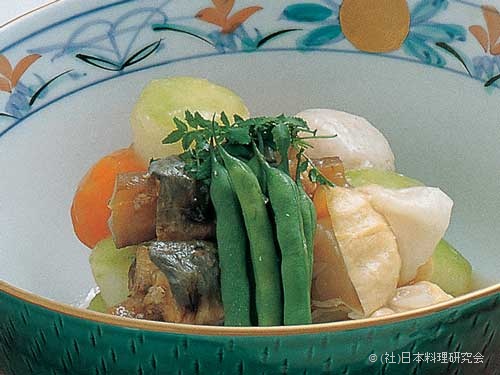
As for the bowl-plated hors d'oeuvre's silver-skin young sea bass, salt-grilled — salt-grilling suits young sea bass best. Young sea bass has a bit…

Omotesando Japanese Cuisine Keyaki-tei
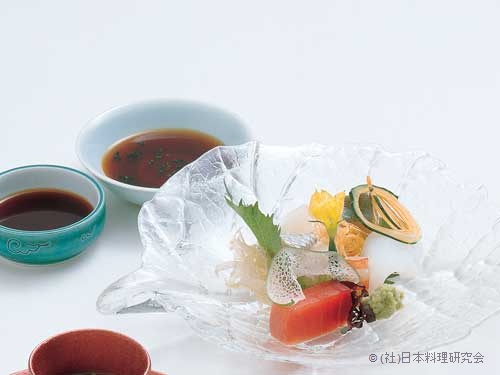
I'll skip the explanation for each of the sashimi items, but let me say a word about knife work. The knife can either bring out the best in an…

Omotesando Japanese Cuisine Keyaki-tei
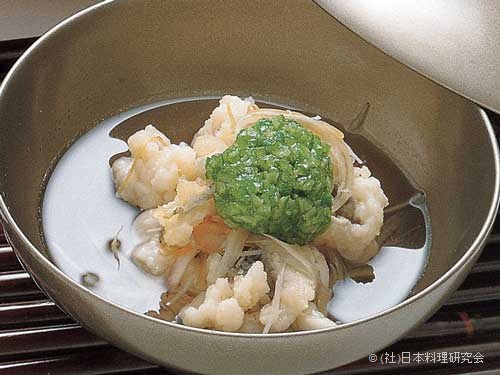
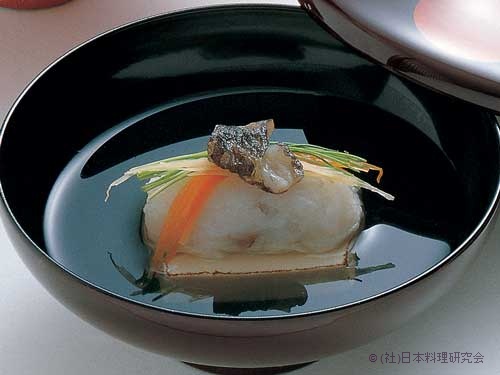
The soup-course dish is scorpionfish (okoze) wrapped in white kuzu with its own liver. Scorpionfish just before its summer spawning is spoken of in…

Omotesando Japanese Cuisine Keyaki-tei
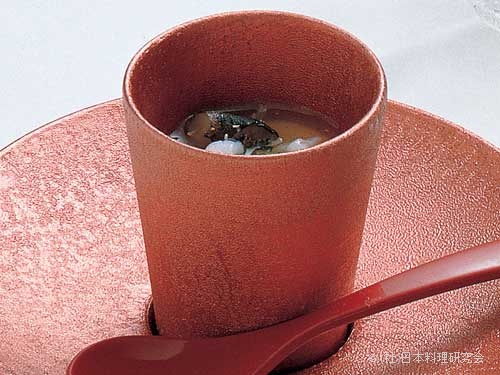
The alternate clear-soup course is okoze steamed in a thin egg custard with its own stock. This one uses the okoze's head and nakaochi, the meat…

Omotesando Japanese Cuisine Keyaki-tei
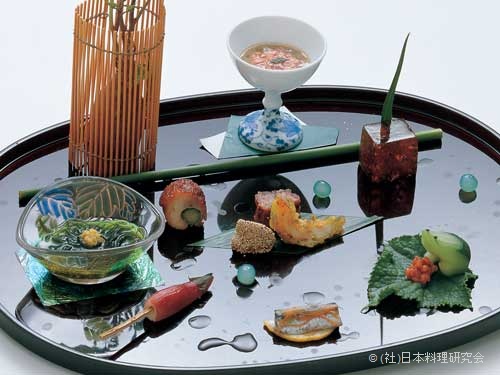
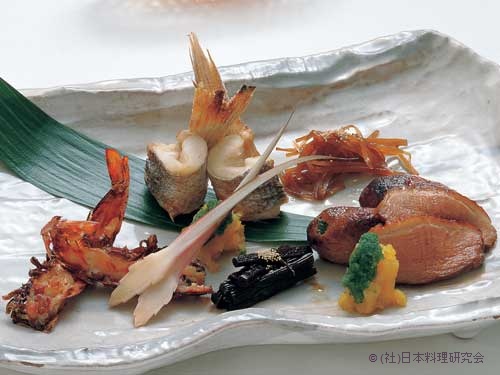
The 'Sound of Rain' appetizer platter (Amaoto no Zensai) is an appetizer that expresses the June season through rain, green, polka dots, paper…

For the vinegared dish abalone steamed Matsumae-style, the abalone is prepped, topped with a round slice of daikon, sprinkled with sake, wrapped in…

The chilled dish softshell turtle and sansho pepper aspic molded with summer daikon is made by filleting the turtle in the usual way, quick-blanching…

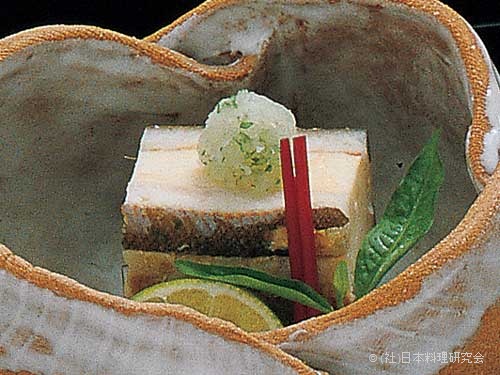
The grilled twin-layered pike conger dish comes from an idea I had: when you bone-cut pike conger that has rested two to three days, scrap meat…

The shark fin and lotus root cake soup course is made by treating fresh lotus root to prevent discoloration, grating it on a grater, folding in…

For the taro stem somen, we used white zuiki and green zuiki to make an attractively two-colored somen. The white zuiki is boiled in hot water as…

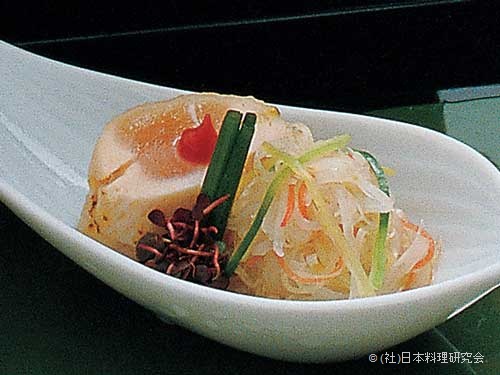
For the chicken tenderloin cured with kelp tea, flame-seared, served with oil namasu: the light, seared-and-chilled (yakishimo) chicken tenderloin…

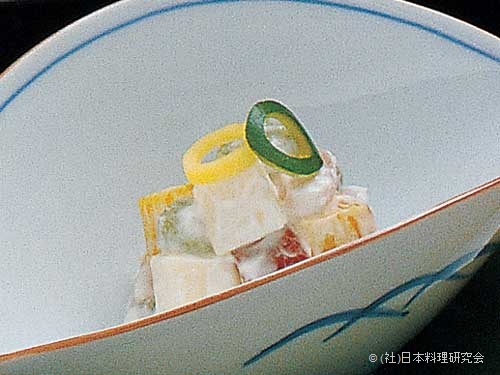
The mustard cream used in the mustard cream salad has sour cream mixed in, giving it acidity, so it's light and very easy to eat.

The appetizer ayu uruka tofu is served topped with tade-oroshi (grated water pepper) that has been given a sweet-and-sour balance with a little sweet…

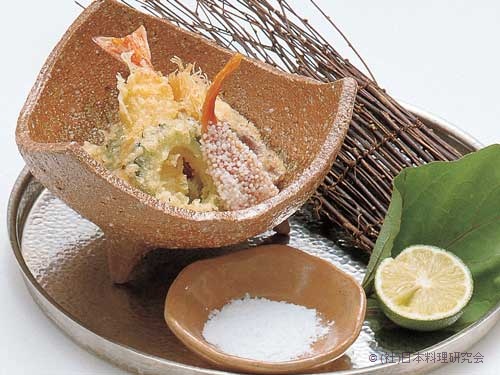
For the fried young kuruma prawn (saimaki) wrapped with green papaya, since summer tends to cause indigestion, we used green papaya, which contains…

The aromatic sauce for the grilled dish uses apple and orange, but any seasonal citrus can be used in place of the orange. When serving the seared…

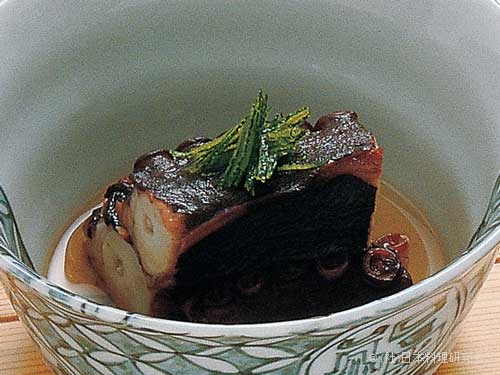
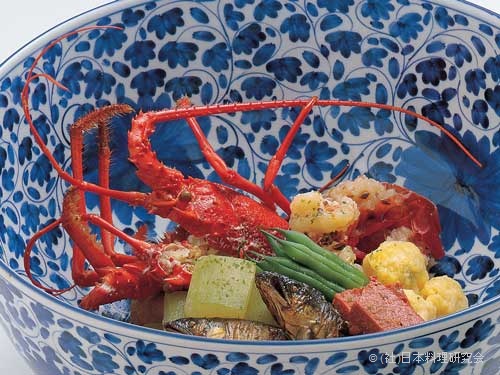
The fermented black beans used in the simmered Ise lobster with fermented black beans are a Chinese ingredient, similar to Daitokuji natto or…

The soup is the usual sawani-style broth combined with deep-fried pike conger (hamo). Sawani soup normally uses pork fatback, but this time we used…

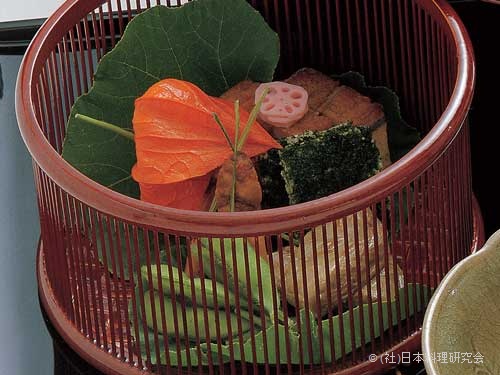
The physalis with warm-smoked salmon potato sushi contains potato sushi made with smoked salmon inside a physalis husk, along with edible physalis…

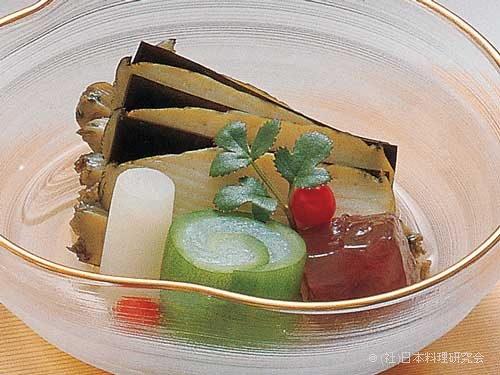
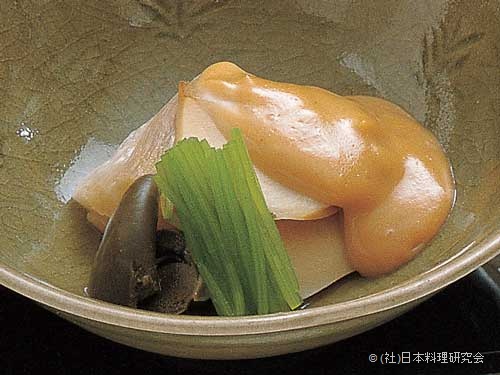
Steamed abalone with white taro stem and stem mitsuba tossed with peanuts is designed to be mixed together by the guest's own hand. The abalone liver…

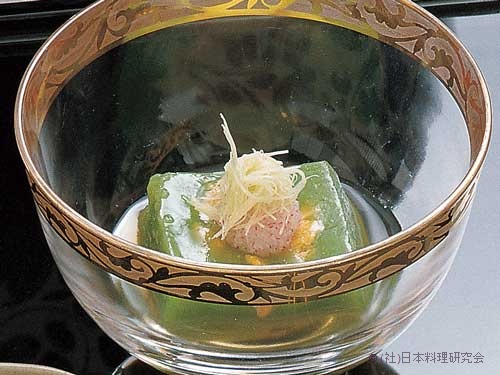
The appetizer cauliflower tofu is combined with broccoli purée. The color is quite strong, so even with soy milk mixed in, it comes out a vivid…

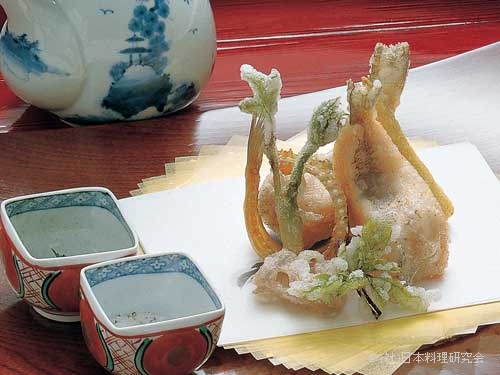
For the fried course's whiting futami-age, rather than filleting the whiting into three pieces, I butterfly it open leaving the tail attached, remove…

As for the simmered course's eel Arima-ni, after the eel is grilled, while it's still hot I push the bones up from the bottom toward the top and pull…
Showing 24 of 4,859