Read the article: Cherry-scented grilled tilefish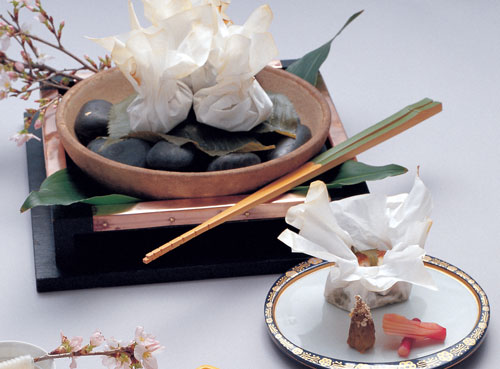
Cherry-scented grilled tilefish
Sakura-chaya was founded in Showa 8 (1933) and is the third-oldest established ryotei (traditional Japanese restaurant) in Mukojima, a district lined…
Spring
Sakura-chaya was founded in Showa 8 (1933) and is the third-oldest established ryotei (traditional Japanese restaurant) in Mukojima, a district lined…
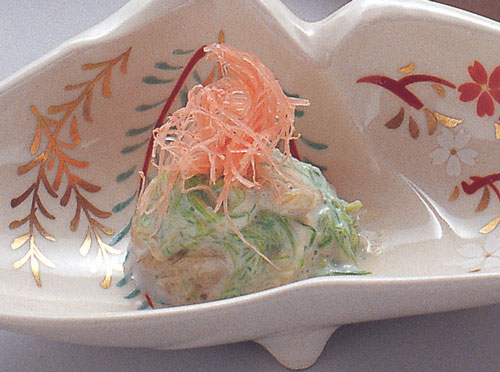
Sakura-chaya was founded in Showa 8 — 1933 — and is the third-oldest established ryotei, a traditional Japanese restaurant, in Mukojima, a district…
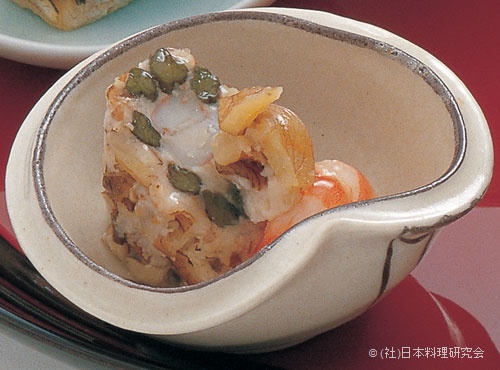
Hatagaya, Shonaisho
As for the bracken fern (warabi) with walnut dressing: my sister back home in Yamagata sends me large quantities of salt-pickled warabi, so I…
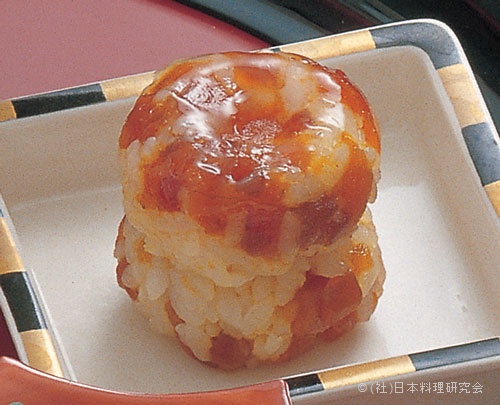
Hatagaya, Shonaisho
The bottarga rice cloth-wrung bundle, one of the five sake accompaniments: mix trimmings of mullet roe — the roe used for karasumi — into plain…
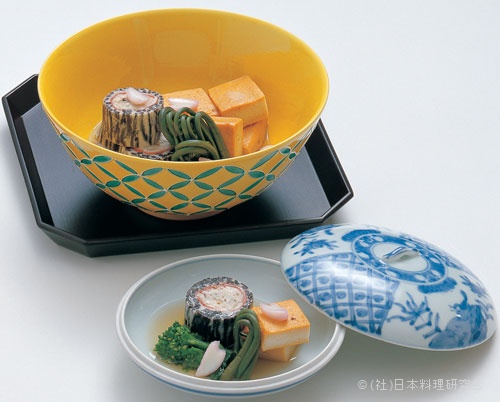
For the hot dish course, the conger eel tsuto (straw-bundle) roll: simmer the conger eel until tender, bind it with fish paste as a binder, and roll…
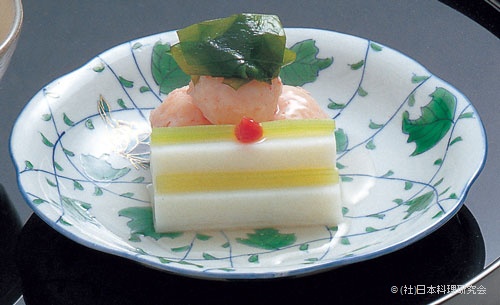
For the simmered course's nagaimo in shirozake (sweet white sake), since Shinshu has many sake breweries, I used the local shirozake to simmer it a…
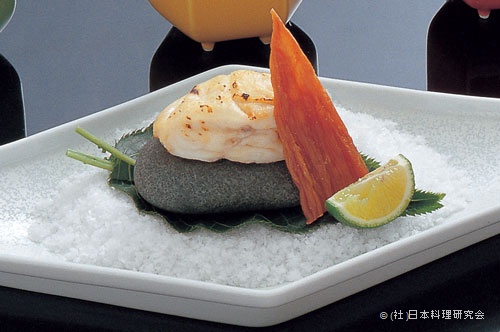
For the appetizer, the fugu shirako and dried sea-cucumber ovary are simply seared and set on a warmed stone — but I think that alone makes for a…
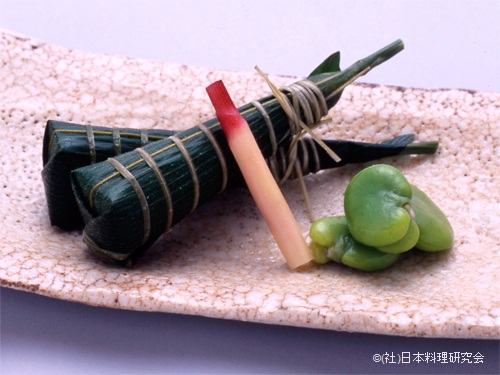
Ginza/Ginza Asami (formerly Michelin Guide selected)
Kenji Asami
Chimaki sushi is served from the latter half of April onward, with an eye toward the Tango no Sekku festival (Boys' Day, May 5). We make it small so…
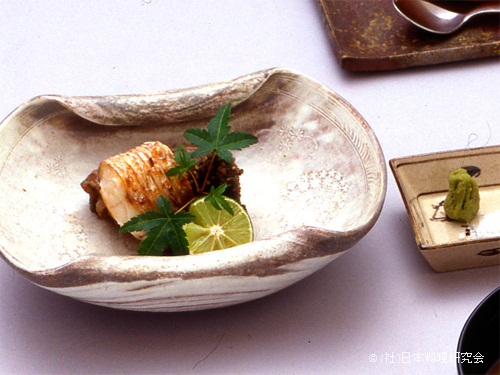
For the grilled course, salt-grilled nodoguro: fillet the nodoguro into three pieces (sanmai-oroshi), remove the small bones, lightly salt it, cut it…
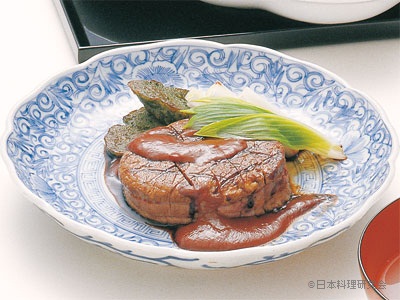
Kaiseki Kameyama
For the grilled course, the fond de veau is made by searing veal bones and trim scraps, then simmering them from cold water for about 10 hours to…
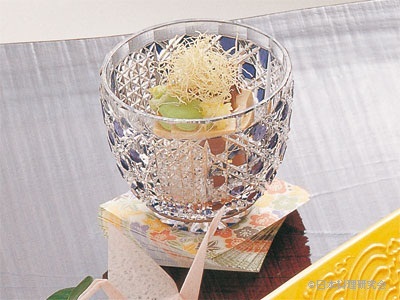
Ginza Okubo
Kinya Okubo
The shira-ae is thinned slightly with shirozake — a sweet, cloudy, low-alcohol rice drink — in a nod to the Peach Festival, but because the shirozake…
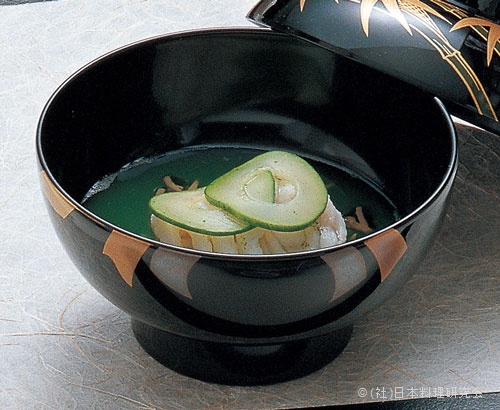
For the soup course, I made a fresh-green style dish using molokheiya. The molokheiya is boiled and then run through a blender ahead of time. A…
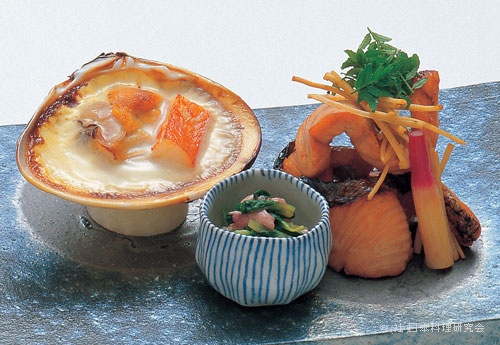
For the grilled course's kinome-grilled river trout, seasonal river trout is filleted into three pieces to get a boneless fillet, knife-scored in a…
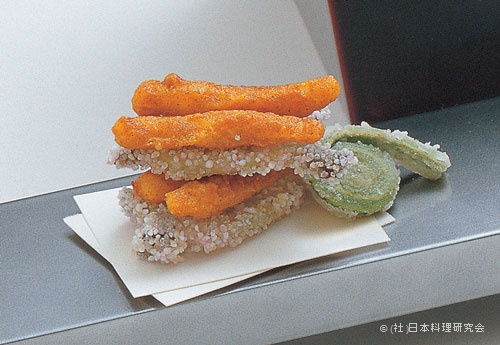
For the flavored deep-fried icefish, the icefish is soaked in a sake-and-salt marinade, patted lightly dry, and has its tail and head removed, then…
Japanese restaurant "Shinbashi Kanetanaka"
Noboru Matsumoto
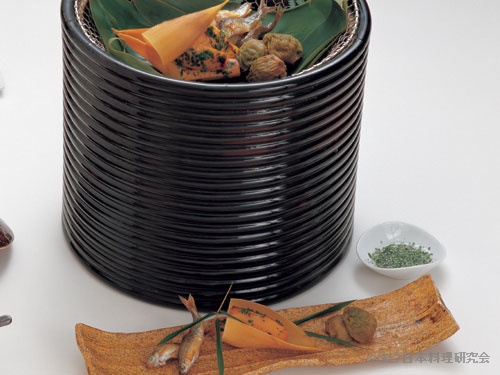
For the grilled course's salt-grilled live moroko, we used moroko farmed in Chiba Prefecture. They're arranged in a small charcoal hand-brazier to…
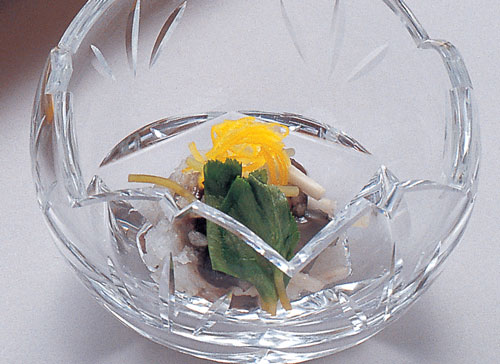
Sakura-chaya was founded in Showa 8 — 1933 — and is the third-oldest established ryotei, a traditional Japanese restaurant, in Mukojima, a district…
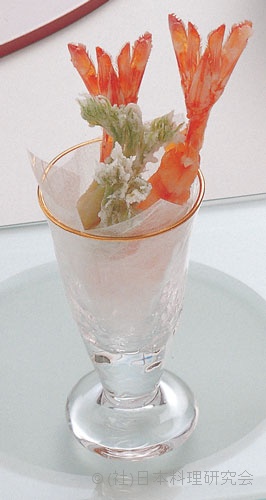
Saimaki prawn hakusen-age is meant to evoke a spring haze. I think saimaki prawns are best without much knife work, deep-fried quickly in high-heat…
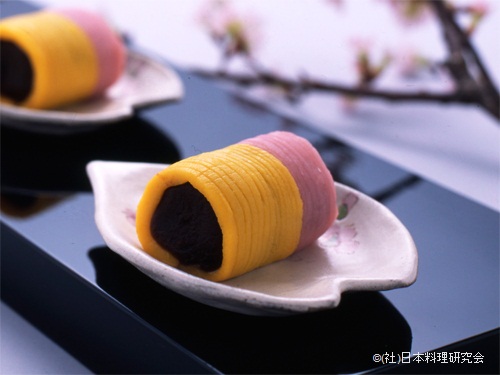
For the two-style mochi roll, we made the mochi portion — which normally wraps around red bean paste in this confection — from potato and egg yolk…
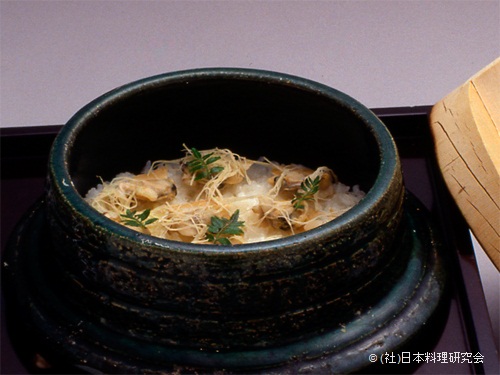
For the rice course, clam rice: extract the clam's dashi, remove the meat from the shells, score it finely, and cut it into bite-sized pieces…
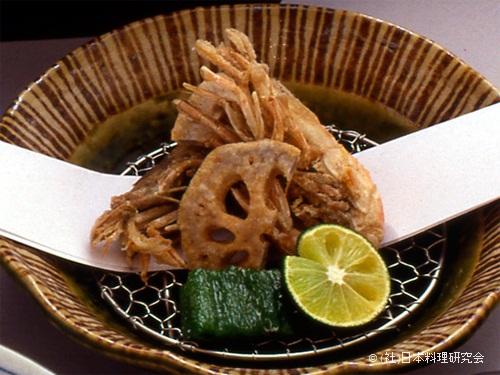
For the tome-zakana (final sake-accompanying dish before rice): coat the gasu ebi and Kaga lotus root with kuzu starch and deep-fry them in oil.
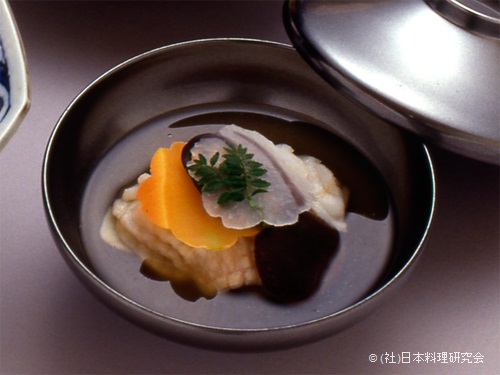
For the soup course, the fat greenling kuzu-tataki: fillet the fat greenling into three pieces, remove the small bones, salt it lightly, score the…
Showing 24 of 492